
New Construction Homes: What to Know Before You Build in Today’s Market
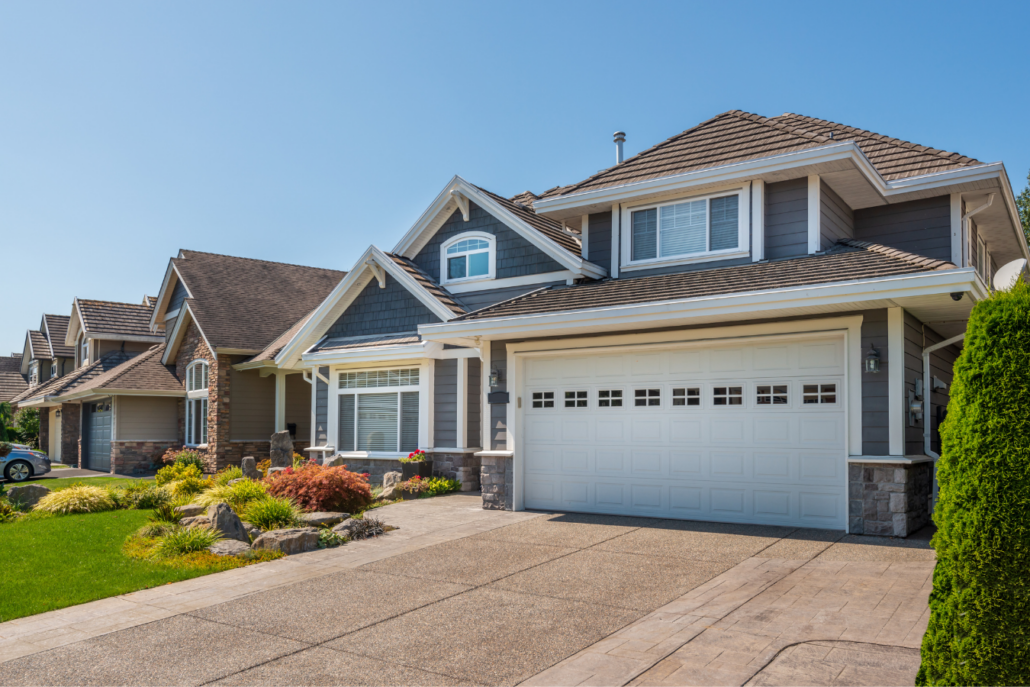
Building a new home can offer flexibility, personalization, and modern features, but it also comes with a different process than buying an existing home. Understanding how new construction works, how financing differs, and what to expect along the way can help you move forward with confidence.
What Is a New Construction Home?
A new construction home is a property that is newly built and has never been lived in. This can include:
- Move-in-ready homes built by developers
- Semi-custom homes with selectable features
- Fully custom homes built on your own lot
Each option offers a different level of control over design, timeline, and cost.
Why Buyers Are Considering New Construction Today
In today’s housing market, some buyers are exploring new construction as an alternative to limited resale inventory. Industry groups such as the National Association of Realtors have noted that constrained existing-home supply has led more buyers to consider newly built homes in recent years.
New builds may offer:
- Modern layouts and energy-efficient features
- Fewer immediate maintenance concerns
- Opportunities to personalize finishes and design elements
However, these benefits should be weighed against timelines, costs, and financing considerations.
Pros and Considerations of Building vs. Buying
Potential Advantages
- Ability to customize your home
- New systems and materials
- Builder warranties may be available
Important Considerations
- Longer timelines compared to existing homes
- Potential for cost changes during construction
- Financing may differ from traditional mortgages
Understanding both sides can help you determine if building aligns with your goals.
How New Construction Financing Works
Financing a new construction home is often different from a traditional purchase. Common options may include:
Construction-to-Permanent Loans
These loans typically cover both the construction phase and the long-term mortgage. Once construction is complete, the loan may convert into a permanent mortgage.
Stand-Alone Construction Loans
These loans cover the build phase only and are followed by a separate mortgage after completion.
Builder Financing Options
Some builders may offer preferred lenders or financing incentives. It’s important to understand how these options compare to other financing solutions.
Managing Interest Rate Timing During Construction
Because new construction timelines can extend over several months, some buyers explore options to help manage interest rate uncertainty during the build process.
In certain situations, extended rate lock programs may be available, which can allow borrowers to secure an interest rate for a longer period than a traditional rate lock. Availability, terms, and eligibility can vary, so it’s important to discuss your options with a mortgage professional.
A mortgage professional can help you evaluate which option aligns with your financial goals and timeline.
What to Expect During the Construction Process
The homebuilding process typically includes several key stages:
- Planning and design selection
- Securing financing and permits
- Construction phases (foundation, framing, systems, finishes)
- Final inspections and walkthrough
- Closing and move-in
Timelines can vary depending on factors such as builder schedules, weather, and material availability.
Is New Construction Right for You?
New construction may be a good fit if you:
- Want a home tailored to your preferences
- Are comfortable with a longer timeline
- Prefer newer materials and systems
It may be less ideal if you need to move quickly or prefer a fixed purchase price upfront.
Get Started with New Construction Financing
If you’re considering building a home, understanding your financing options early can help you plan more effectively.
Connect with a BankSouth Mortgage loan officer to explore your options and determine the next steps for your homebuilding journey.
Frequently Asked Questions
How is financing different for new construction?
New construction financing may involve different loan structures, such as construction-to-permanent loans, and may include multiple phases of funding.
How long does it take to build a home?
Timelines vary, but construction can take several months depending on the scope of the project and external factors.
Do I need a larger down payment for new construction?
Down payment requirements vary based on the loan program, lender, and borrower qualifications.
Can I lock my interest rate during construction?
Some loan programs may offer extended rate lock options designed for longer construction timelines. These programs vary by lender and borrower qualifications, so it’s important to review available options early in the process.
Key Takeaways
- New construction offers customization and modern features
- The process and financing differ from buying an existing home
- Planning ahead can help you navigate timelines and costs
- Working with an experienced mortgage professional can help simplify the process
Subject to credit and property approval. Content is for informational purposes only and does not constitute a commitment to lend. Terms subject to change without notice.

Leave a Reply
Want to join the discussion?Feel free to contribute!